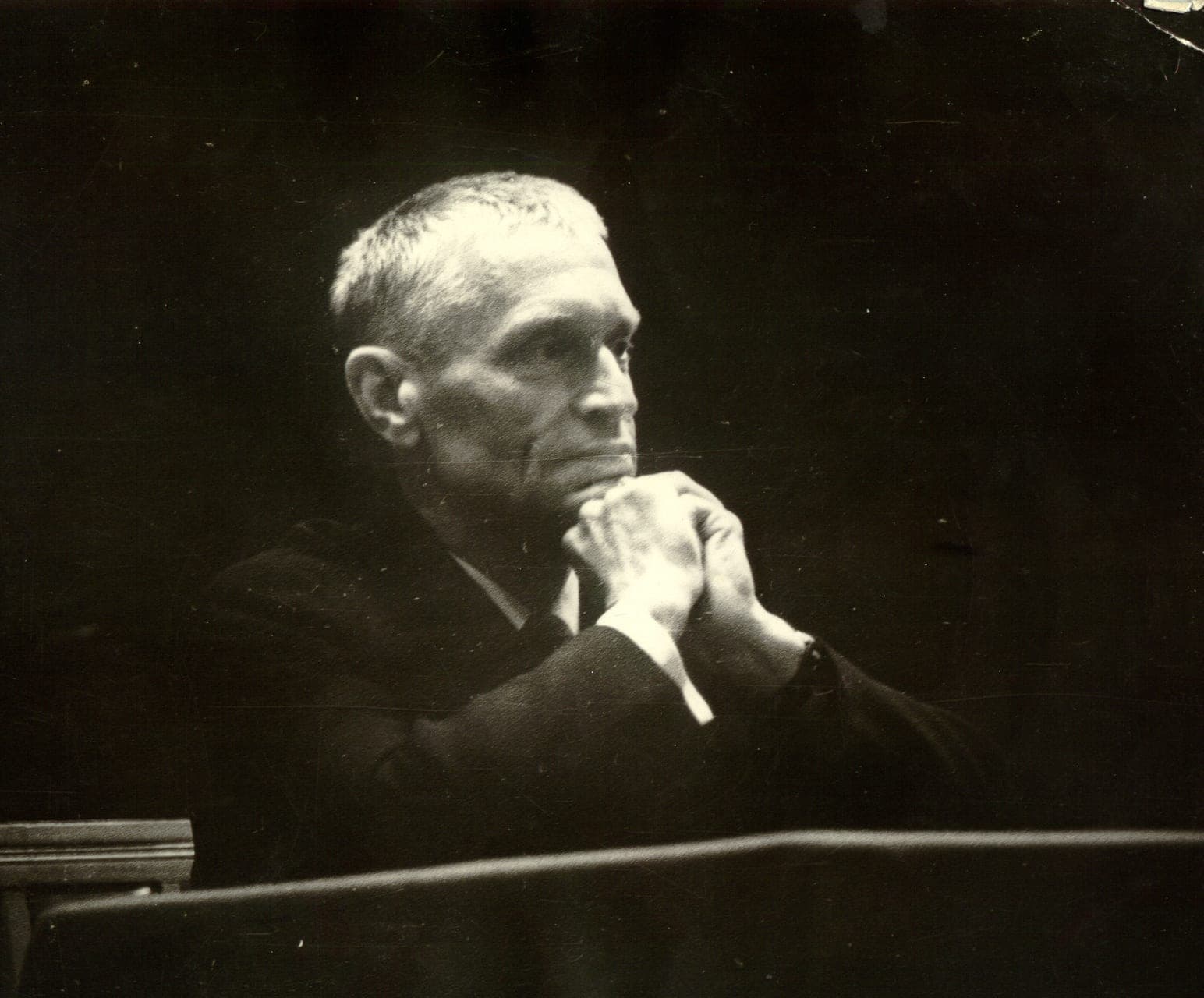
Revolutionizing Surgery: A Journey of Innovation
From Bryansk to Kyiv: Pioneering New Treatment Methods
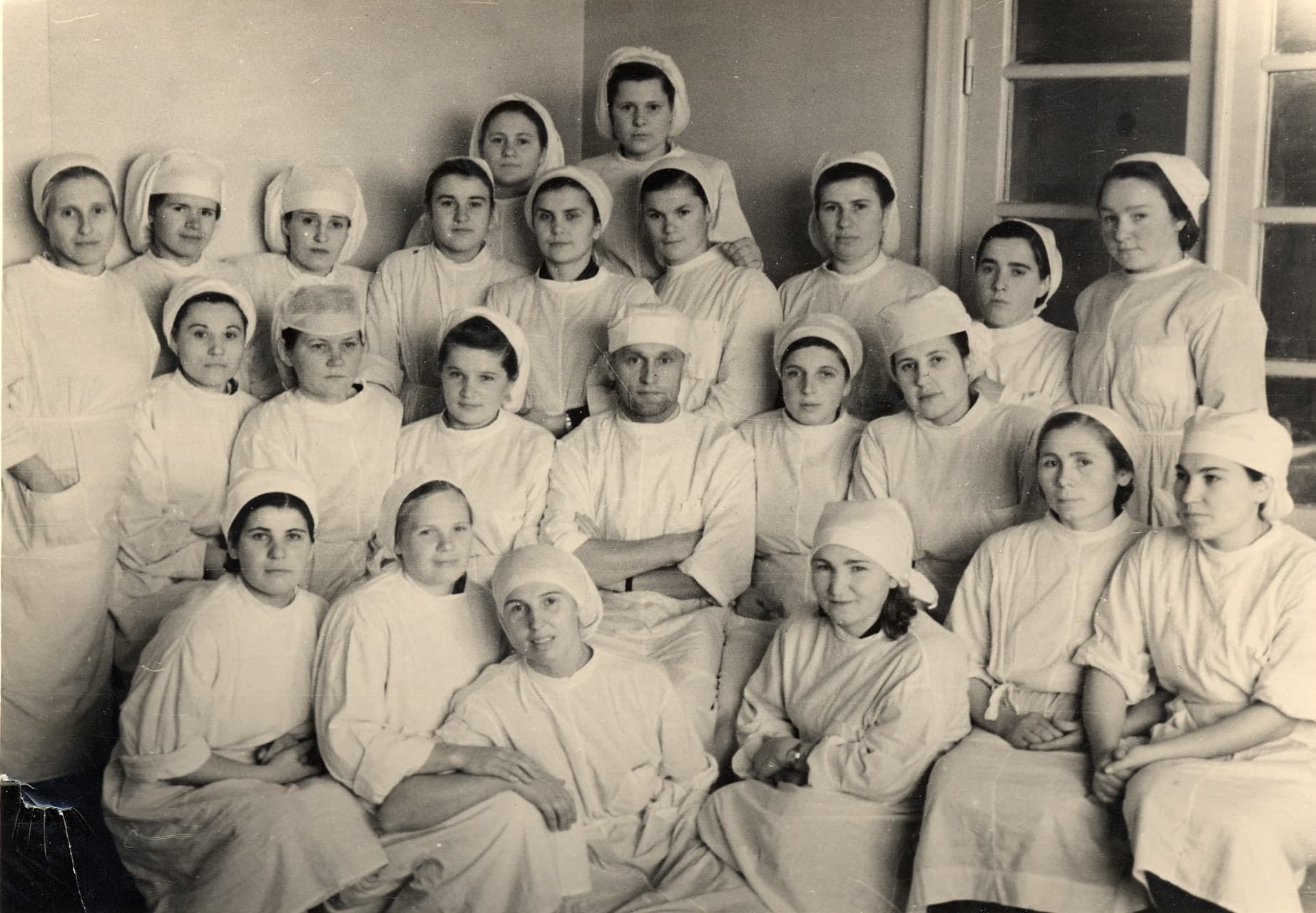
Bryansk. Six years passed like a flash: great work, wonderful colleagues, and many complex surgeries — especially lung resection for abscesses, cancer, and tuberculosis. I developed the methods myself, becoming the most prolific surgeon in the Union in this field. I also worked with regional surgeons, teaching and demonstrating operations. In 1948, I defended my thesis, and in 1952, my doctoral dissertation, which was approved by Academician Bakulev. Lida, my wife, worked as a senior operating room nurse and graduated from the pedagogical institute, but her dream was to become a surgeon.
In 1952, after a successful presentation at the Tuberculosis Institute in Kyiv, I received an invitation from Director Mamolat. A month later, we moved to Kyiv.
Kyiv. At first, everything was disappointing: cramped housing, a poor clinic, and lazy assistants. But by March 1953, I defended my thesis, started working at the medical institute, and conditions improved. In 1955, I presented at a conference in Moscow and began performing simple heart surgeries. Lida entered medical school. In 1956, our daughter Katya was born. That same year, we received our first three-room apartment.
In 1957, the clinic moved to a new building. In Mexico, I saw a surgery using a heart-lung machine (HLM), which inspired me to create our own machine. The first patient died, but in 1959, we successfully operated on a boy with a severe congenital heart defect.
Work became my life. From the first complex surgeries to developing my own techniques — each step was a move toward a future where medicine could be more than just a science
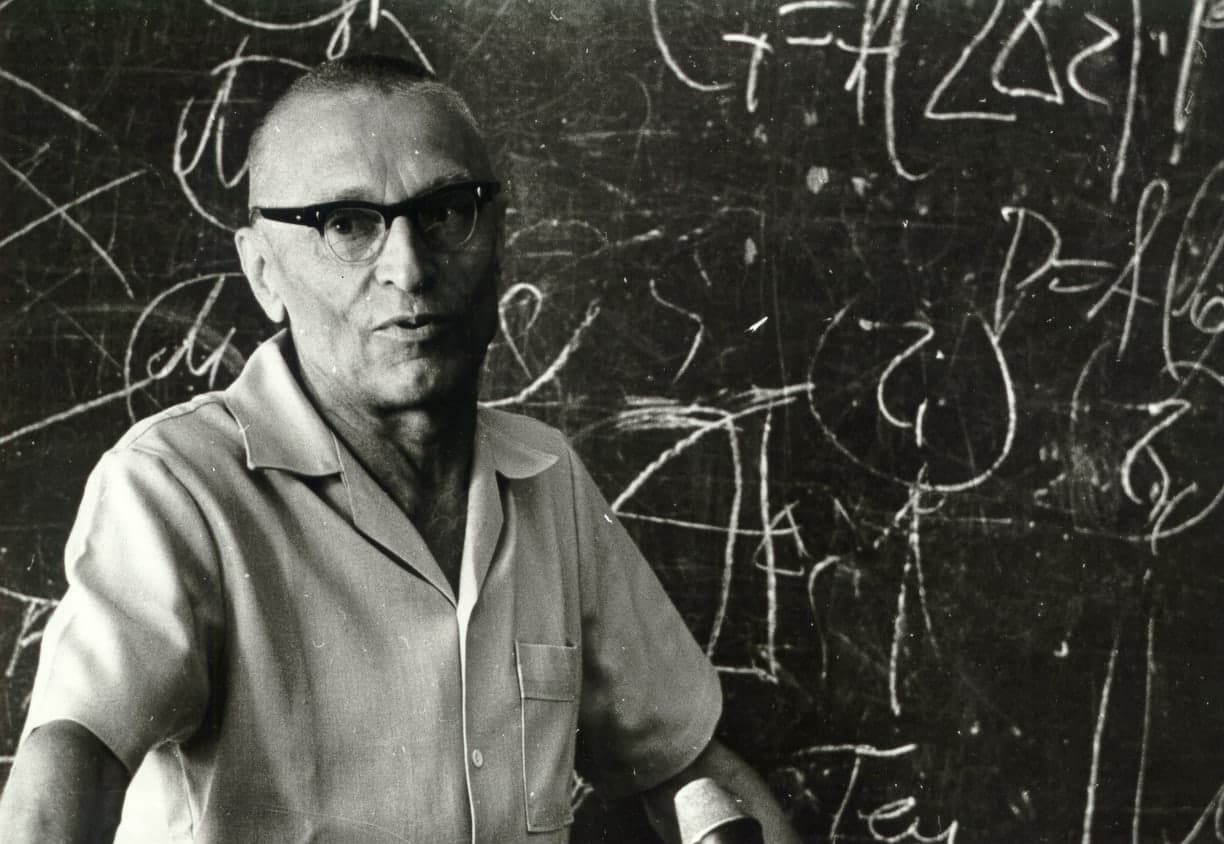
Cybernetics. Since 1958, we began cybernetic research, initially focused on HLM and later branching into physiology, psychology, personality modeling, and societal issues. A special department was established at the Cybernetics Institute, where a team of enthusiasts worked on regulating the body, artificial intelligence, and societal models. Many theses were defended, and several books were published. In the 1990s, the department dissolved, leaving only the AI group.
USA and Prosthetics. In 1962, together with Kupryanov, I visited U.S. clinics, met top cardiac surgeons, and learned new techniques. One of them — aortic valve plastic surgery using nylon fabric — turned out to be disastrous, with five out of eight patients dying. That same year, we developed our own heart valve prosthesis. Interestingly, American surgeon Starr created a similar one almost simultaneously.
From 1962 onward, my career progressed naturally. As Bulgakov said: “Never ask for anything.”
Valves, machines and a school
the years the clinic stopped following methods and began inventing them
In 1958 the clinic carried out the first operation in Ukraine on cardiopulmonary bypass, using a machine built in its own workshop — there was none to buy. The early attempts went badly, and Amosov wrote about them in print rather than around them. The first fully successful operation on his own machine came in 1960.
In 1962, with Kupriyanov, he saw American clinics for the first time and brought back a technique for repairing the aortic valve with nylon fabric. Five of the first eight patients died. He abandoned the method, published the failure, and set the clinic to designing a valve of its own instead.
In 1963 he became the first surgeon in the Soviet Union to replace a mitral valve. Two years later came the thing nobody anywhere had done: in 1965 the clinic built and began implanting the first antithrombotic prosthetic heart valves in the world — the frame covered so that blood would not clot on it.
A machine assembled in our own workshop, a valve nobody had made before — the clinic stopped following methods and started inventing them
The recognition arrived in the same stretch of years: the Lenin Prize, a seat in the Supreme Soviet, election to the Academy of Sciences of the Ukrainian SSR in 1969, the title Hero of Socialist Labour in 1973. By then surgeons were travelling to Kyiv from across the Union to learn the operations — the school that would outlast him.
The books belong to these years too. “Thoughts and the Heart” came out in 1964: a surgeon’s account of a day at the operating table with nothing smoothed over, the deaths included. It was reprinted more than thirty times and translated into some thirty languages, and for a great many readers he was a writer first and a surgeon second.
He never let the two halves separate. The department at the Institute of Cybernetics modelled the heart, then the regulation of the whole organism, then thinking, then society — the same habit of taking a system apart to find what actually governs it, turned on something larger than a patient.