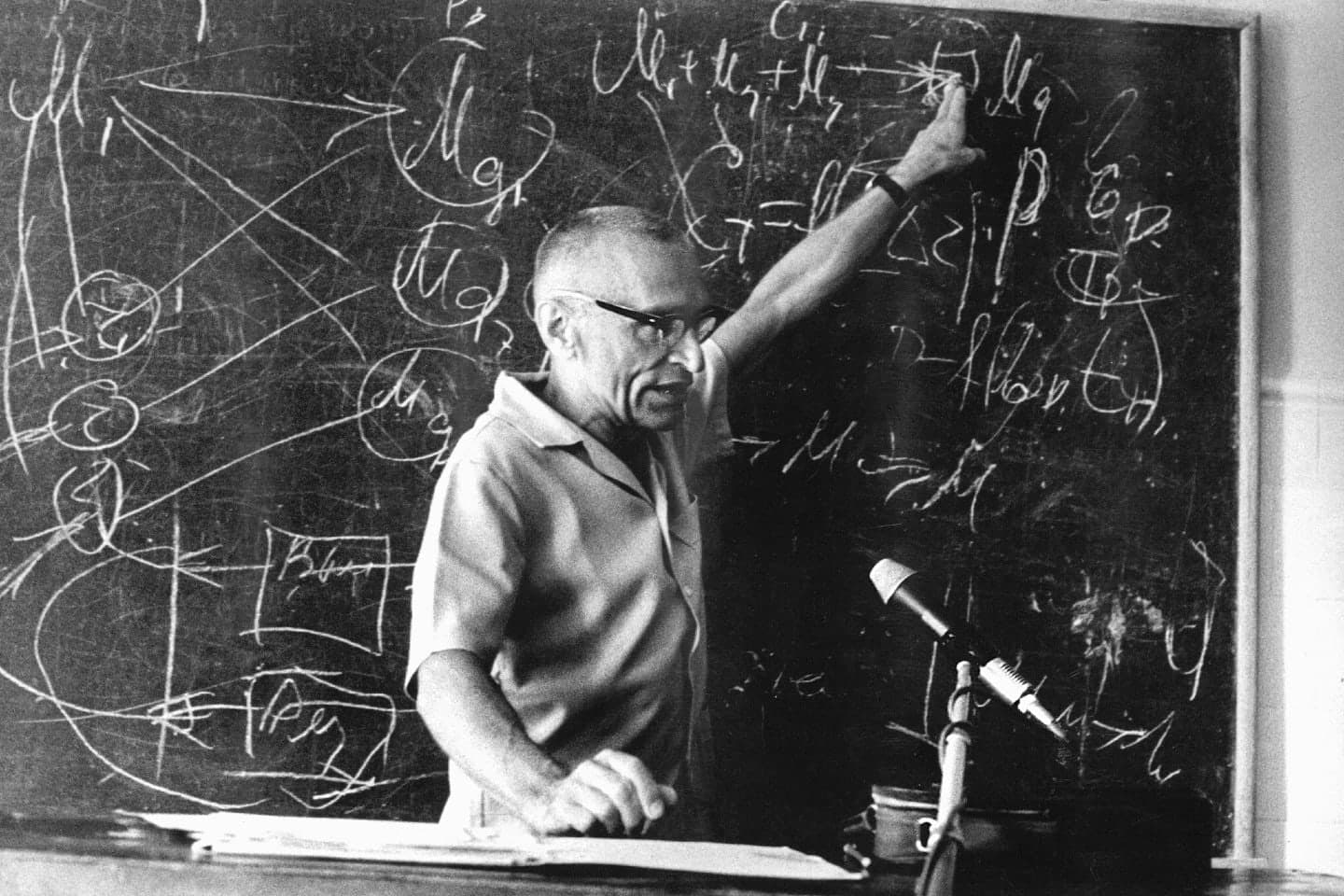
From Village to Scalpel
A poor northern boy’s path from mechanic to surgeon and thinker
All my ancestors were peasants. I was born on 6 December 1913. My mother was a midwife in a northern village not far from Cherepovets. My father went to war in 1914, and when he returned, he soon left the family. We lived very poorly: my mother did not accept gifts from her patients. She remained an example for me for the rest of my life. My grandmother taught me to pray, to work on the farm, and to read books when I was lonely. When I became a pioneer, I stopped believing in God and learnt about socialism (but my party career ended with the pioneers — I was neither in the Komsomol nor in the party).
He has known the life of a northern village since childhood. From the age of 12 to 18, he studied at school in Cherepovets, then at a mechanical college, and became a mechanic. He lived poor and lonely. He was homesick and read classics.
In the autumn of 1932, he started working in Arkhangelsk as a shift supervisor at a power station at a large sawmill, a newly built facility of the first five-year plan. He worked well. In 1934, he married Halia Soboleva and started studying at the Correspondence Industrial Institute. In the same year, his mother died.
I was shaped by poverty, books, and the quiet strength of my mother. Surgery came later — first, there was thought
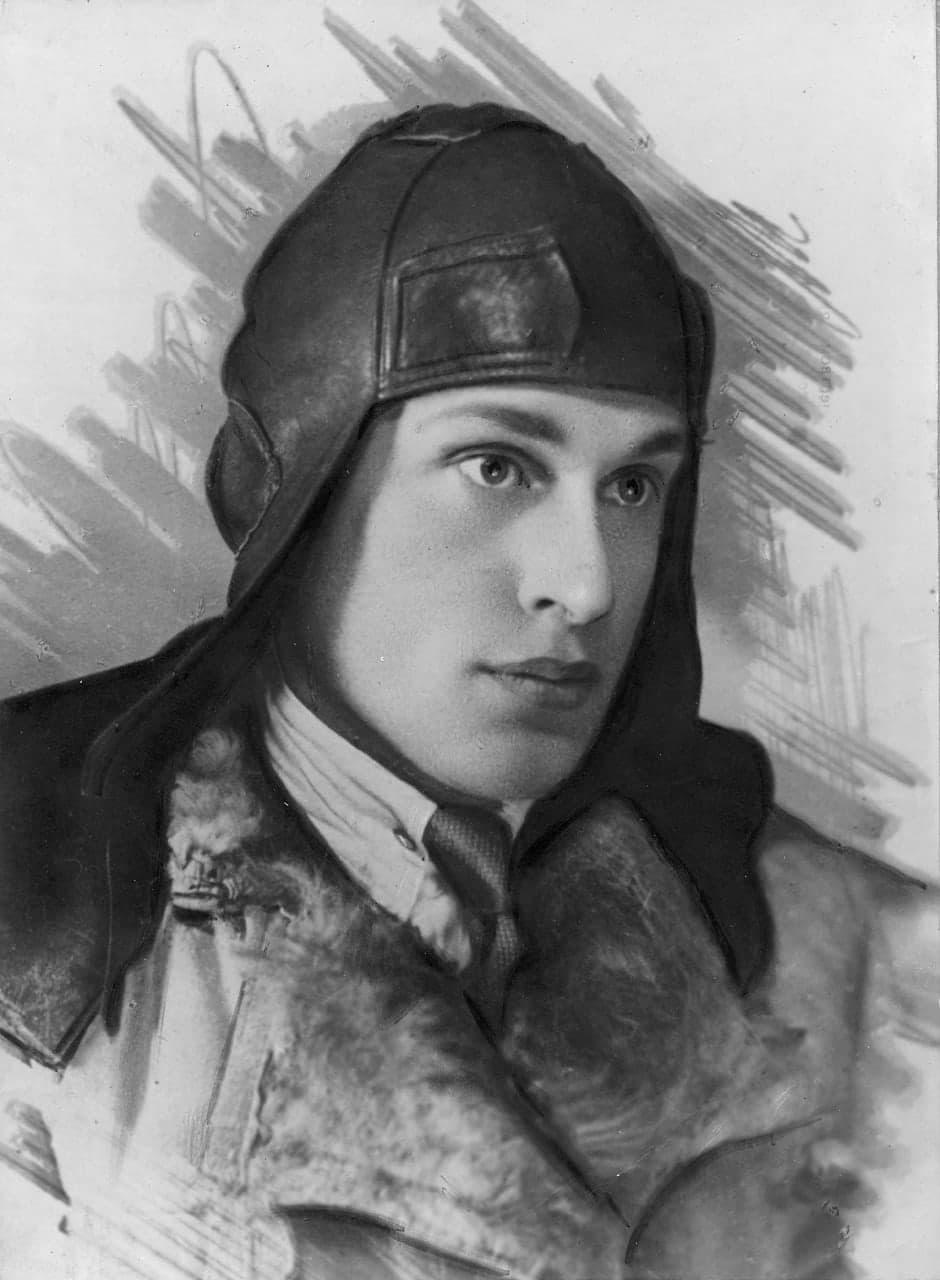
It is 20 years old. Everything is ahead! A gift from Arkhangelsk for the 50th anniversary.
In 1935, he and his wife entered the Arkhangelsk Medical Institute. During his first year of study, he completed two courses. During his studies, he earned money by teaching. I got to know the exiled physics professor V.E. Lashkarev. He opened the world of parapsychology to me. In 1939, I graduated with honours from the institute. I wanted to study physiology, but there was only a place in the postgraduate programme in surgery.
Alongside his medical studies, he continued his studies at a part-time institute. For his diploma, he chose to design a large aircraft with a steam turbine. He spent a lot of time on it, hoping that the project would be accepted for production. It was not, but in 1940 he received an engineering degree with honours.
Meanwhile, he didn’t like postgraduate studies at the clinic, his love was gone, he was tired of family life, and he had no children. We discussed the situation with Galia and decided to live separately. I left Arkhangelsk and started working as a resident surgeon in a hospital in my native Cherepovets. He learnt to perform routine abdominal surgery. His interest in physiology led him to reflect on hypotheses about the mechanisms of thinking and the interaction of the body’s regulatory systems. I still keep my notebooks with “ideas”.
I formed my convictions about politics: I recognised socialism, but I had a bad attitude towards the communist leadership and did not want to serve in the army. Perhaps the bitter experience of his family had an impact, as his mother’s brother and sister died in the camps.
War and a surgeon: Amosov’s path
Years in a frontline hospital tempered the future classic of cardiac surgery.
On 22 June 1941, the Great Patriotic War began. A few days later, Amosov was appointed chief surgeon of the Field Mobile Hospital (PRG-2266), where he served throughout the war with Germany and Japan. The hospital operated in the field, had 200 beds, 80 staff including five doctors, and 22 horses.
In summer–autumn 1941, the lightly wounded were treated in Sukhynychi. After the German breakthrough in October, they retreated to Yegoryevsk, where Amosov experienced his first loss due to a fatal mistake. There he met A.A. Bocharov, the chief surgeon, who became a lifelong friend.
During the 1941 counteroffensive near Moscow, the hospital operated in Podolsk and Kaluga. Staff increased, the building expanded, and they treated up to 500 severely wounded patients. Amosov developed surgical methods that reduced mortality and wrote his first dissertation.
In January 1943, the hospital returned to the frontline with the 48th Army. In Ugolne, they faced hundreds of untreated wounded in freezing huts. Despite limited resources, they fought infections and high mortality. For the rest of the year, the hospital moved with advancing troops under harsh, often inhumane, conditions.
The war made me a surgeon — true, decisive, and hardened by the daily fight for life
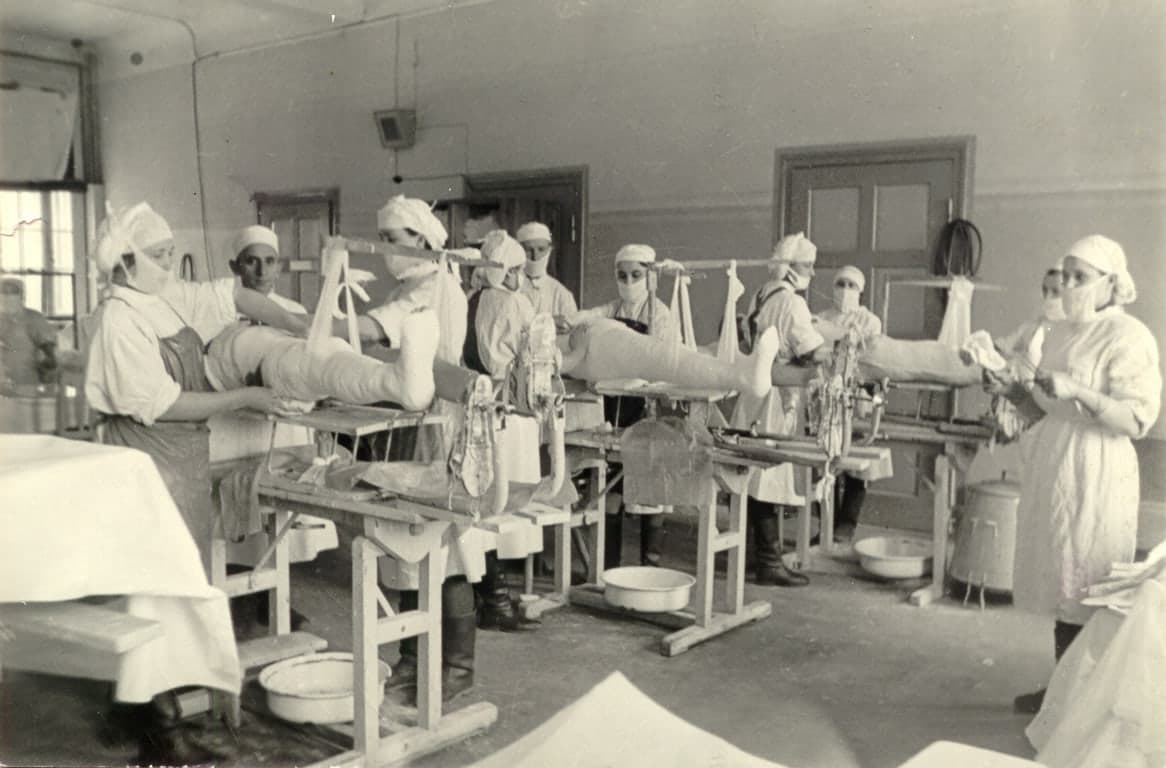
Germany At the end of April 1945
Over time, the team adapted to field conditions: they learned to triage, treat, and evacuate wounded soldiers, who were mostly brought in by passing ambulances and later sent to second-line hospitals by train.
By late 1943, the hospital was based in the Ukrainian village of Khorobychi. Severely wounded soldiers arrived frozen after 100 km truck rides from the front. Amosov’s team treated over 2,000 patients across homes and schools, supported by local women. Their well-organized system helped avoid deaths from missed bleeding and infections. By December, most patients were evacuated by sanitary trains.
In 1944, stationed near Gomel in Buda, they built a hospital with 500 beds and operated smoothly with regular evacuations. There, Amosov married Lida Denysenko, an operating nurse and former partisan, after a half-year romance. Around the same time, he learned his thesis had been rejected.
During the summer offensive, the unit advanced into Belarus and later to Poland and East Prussia. Work slowed as casualties decreased. On Victory Day in Elbing, the hospital had only 18 wounded to care for — a quiet end to years of hardship and constant movement.